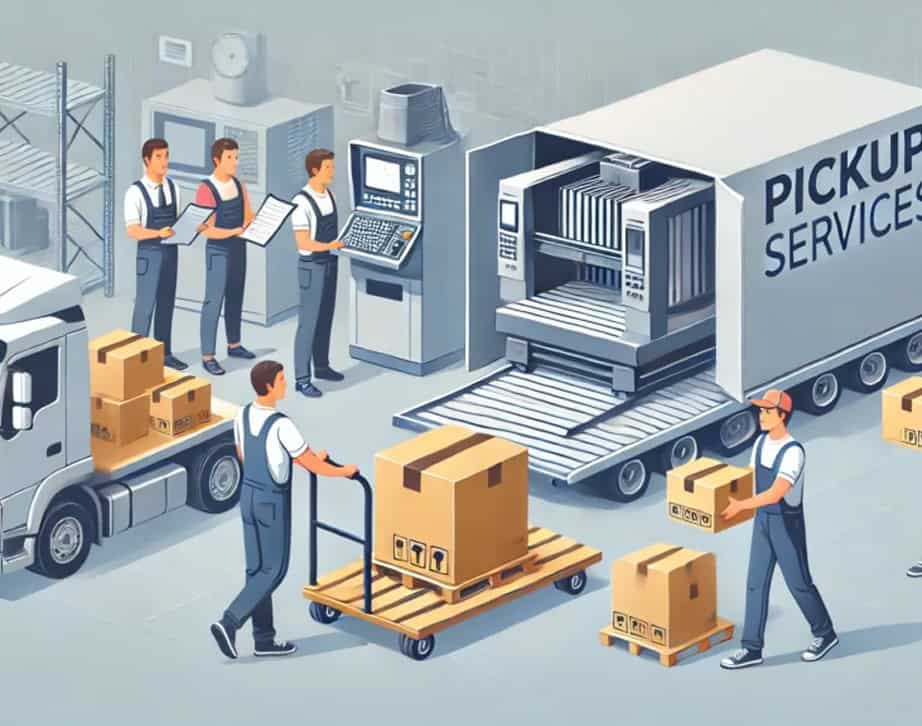

Optimise your international logistics. iSend automates compliance, computes duties, and clears goods with the Australian Border Force (ABF) more quickly, via high-volume eCommerce parcels ( Self-Assessed Clearance ) to bulk commercial freight (N10 FIDs).
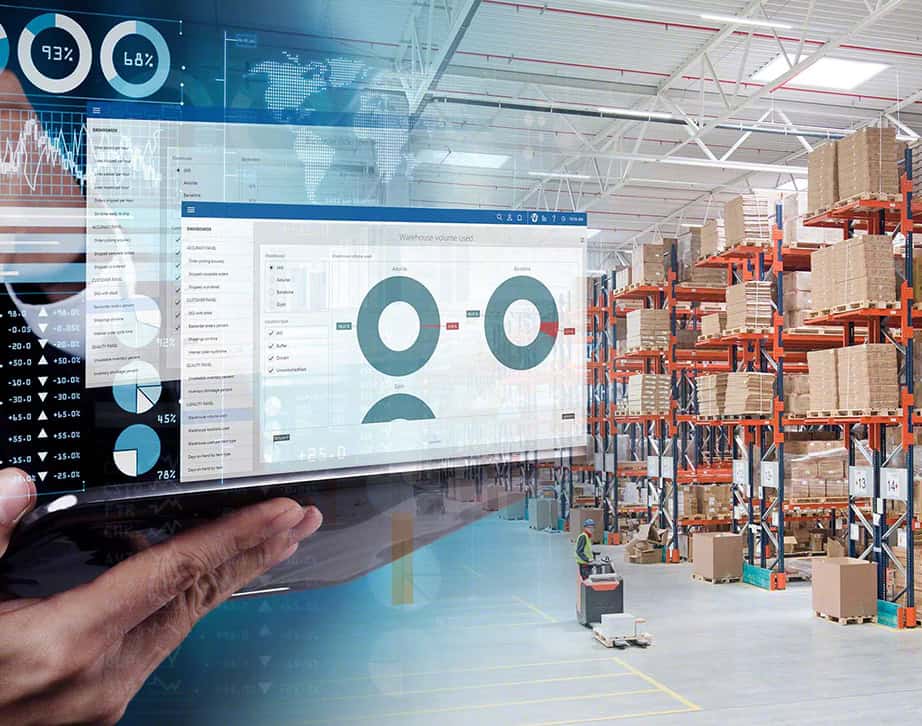
iSend delivers scalable, API-driven customs clearance services.
Use our built-in Import duty calculator to determine payable charges instantly.
Goods less than AUD1,000 usually get into the country duty-free through a SAC declaration in Australia. For higher-value shipments, iSend automatically issues the necessary Formal Import Declaration (N10 FID) to avoid border holds and delays.
Calculate your landed costs globally
*This is an estimation only. Final fees are assessed by local customs authorities and may include processing fees. Sign up to an iSend account for exact quotes.

Our API automatically imports commercial invoices and packing lists into your storefront or ERP and removes manual uploads and data mistakes.

The system assigns correct HS codes automatically, import duty, GST, and specific tariff concessions, which make a correct declaration.

Verified declarations are submitted in real-time to the Australian Border Force Integrated Cargo System. This reduces delays and holds.

Follow real-time clearance information in your dashboard when goods receive approval to be released by customs and biosecurity authorities.
Airlines with verified paperwork using iSend may have their air freight effectively cleared in under 24 hours, without paying the expensive terminal storage costs.
Automated FIDs guarantee your bulk commercial freight is cleared to the Green Lane in the most efficient way possible once it has arrived at Port Botany.
Australia has stringent biosecurity regulations by the Department of Agriculture, Fisheries and Forestry (DAFF). A wrong declaration of wood, food, or plant materials may provoke a fine, inspection, or seizure.
iSend proactively seeks out restricted or risky goods, including lithium batteries, laser pointers, and organic products, before dispatch. This reduces the number of customs holds, rejections, inspections, and rework in documents that are costly.
You run an Elementor-driven WooCommerce site on WordPress, sell on eBay or Shopify, or have your own custom tech stack; the iSend Customs clearance API will effortlessly feed tracking information, invoices, and live clearance data straight into your stack.
A: To get direct access to our Sydney-based customs clearance support team, you can simply call [+61 1300 658 775] or create a free iSend account to handle your clearance in real time online.
No. Goods that are valued at less than 1,000 AUD are cleared through a Self-Assessed Clearance (SAC) and are typically exempt from duty and GST, unless they are alcohol or tobacco products.
You will need a Commercial Invoice, Packing List, and an Air Waybill (AWB) or Bill of Lading (BOL) to get a smooth clearance. A Certificate of Origin is also needed in case of a tariff concession.
The ABF requires an FID of imported goods worth above 1000 AUD. The production and registration of this document are automated in our software.
The common reasons why parcels are held are a missing commercial invoice, incorrect HS code, or biosecurity risks that are not declared. iSend pre-verification system identifies these wrongs before the shipment is dispatched out of its home.
Yes. Pre-lodgement means that customs declarations are made in advance, before arrival. Therefore, release is faster upon landing of cargo, and also prevents delays, inspections, and avoidable storage fees.
Not always. With automated customs clearance platforms, you can legitimately file SACs and FIDs on your behalf, and it saves the reliance on manual brokers and the chance of repetitive paperwork.
Third-party codes of HS may lead to incorrect calculation of duty, shipment detention, fines, or auditing. This risk can be mitigated in automated classification engines, which augment codes against the product data prior to lodgement.
GST can be imposed with respect to the shipment worth, registration of importers, and the type of product. Approved plans can allow eligible businesses to defer GST, boost cash flow, and encourage accounting efficiency.