

Multi-Carrier Pallet Delivery & Shipping Australia
The multi-carrier shipping software offered by iSend enables businesses in Australia to deliver goods safely and on time by connecting them with market-leading logistics providers through a single platform. Rather than calling several carriers, users can compare rates instantly, select the best service, and book shipments within minutes.
The platform is designed to serve both small and large companies, including online retailers and major distributors. Through efficient integrations and tools automation, iSend assists companies in simplifying shipping pallets nationally and globally.
The network serves the giant logistics platform, which handles more than 12 million international deliveries each month, creating instant credibility and reliability for companies in need of pallet shipping in Australia.

What is Pallet Delivery and How Does It Work?
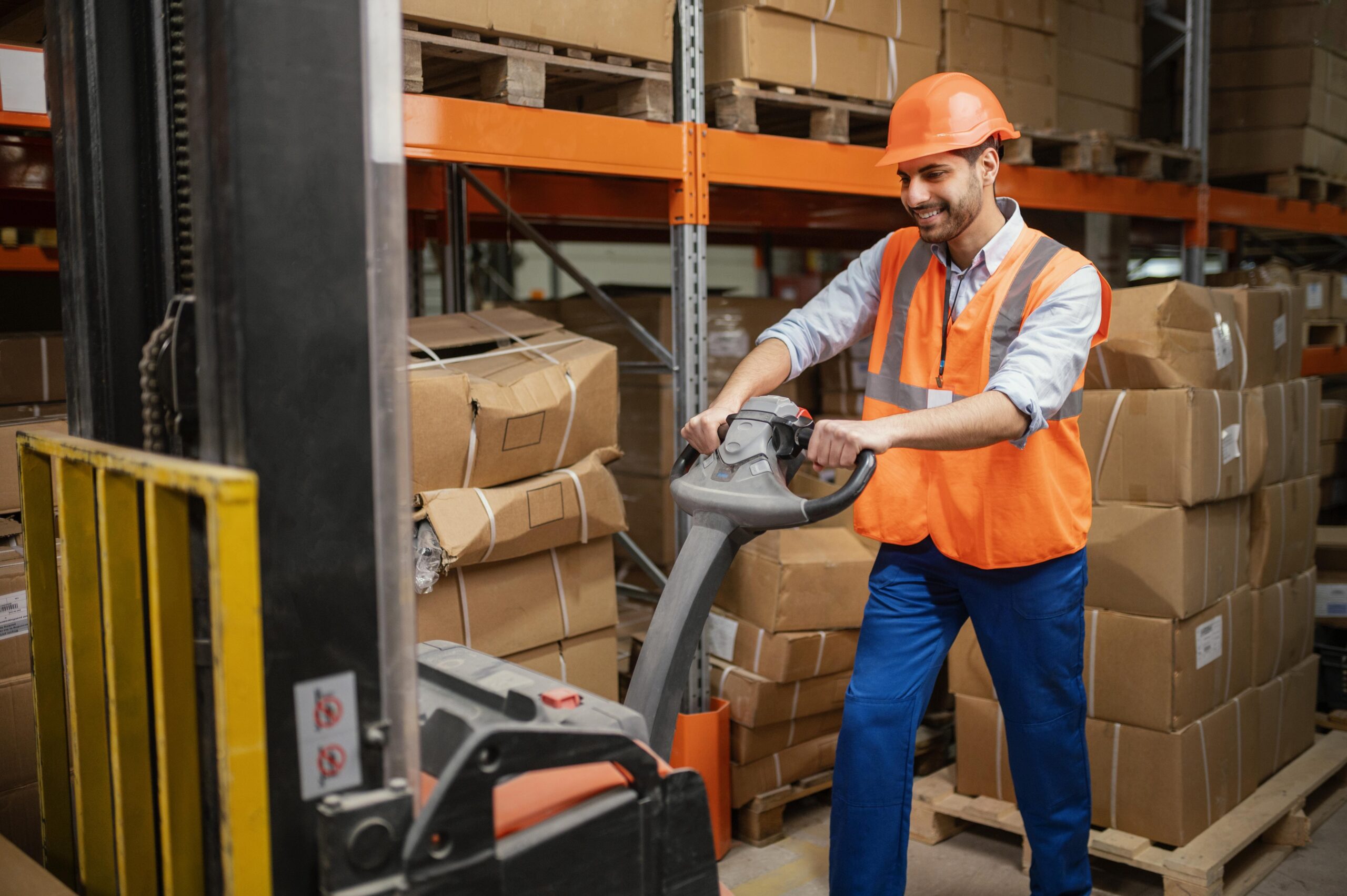
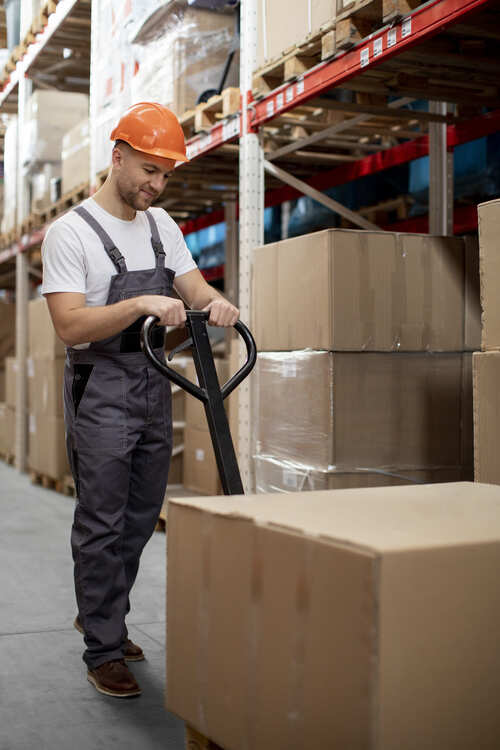
Pallet delivery is the process of carrying goods that are tightly packed on wooden or plastic pallets.
Now the question arises- how big is a pallet for shipping in Australia.
Ideally, it is 1165×1165 mm to fit RACE rail containers.
With a cutting-edge delivery service of iSend, pallet delivery is easy:
Generate Instant Quotes
Users enter details about shipments, including pallet size, weight, pickup location, and destination. The site compares various carriers right away and shows conflicting fares.
Book the Shipment
Upon selecting the desired carrier, companies can verify the reservation online. All shipping labels and documentation are automatically created.
Real-Time Tracking
Shipments can be traced in real time on the dashboard once they are sent. This makes it more transparent and enables businesses to track the progress of their delivery.
E-Commerce Integration
iSend can be connected to systems such as Shopify and WooCommerce, automating order fulfilment and managing logistics effectively.
This simplified methodology provides a response to the common query: how does pallet delivery work? This is merely a blend of technology and carrier networks to deliver faster, more efficient freight management.
Flexible Pallet Delivery Costs & Service Plans
“How much does pallet delivery cost” is a primary concern for businesses, and iSend offers flexible pricing models to meet their requirements and shipping volumes. Whether it is regular freight services or on-demand pallet delivery, there are clear service plans.
iSend Shipping Plans –
|
Plan
|
Ideal For
|
Shipment Volume
|
Key Benefits
|
|---|---|---|---|
|
AWESOME
|
Small businesses and startups
|
1+ daily dispatch
|
Affordable rates with access to trusted carriers
|
Such tiered arrangements would guarantee that companies can expand their logistics operations without changing their predictable freight charges.
Local and Interstate Pallet Delivery Network
iSend has an extensive freight network, which covers local and interstate pallet delivery service within Australia. Companies will be able to deliver to and pick up products between large cities, regions, and distant locations via reliable logistics networks.
For example, businesses requiring pallet delivery in Melbourne can plan speedy metropolitan deliveries or organise bulk shipments to other states. Such flexibility enables companies to easily transfer products from warehouses to distribution or retail outlets.
The network helps transport small consignments and large B2B freight with ease through its long-range logistics network in Australia.
A Guide to Shipping Pallets: Dimensions and Standards
It is important to study pallet sizes in preparation for freight. Various regions adopt different pallet standards, resulting in varying loading capacity, compatibility, and shipping efficiency in warehouses.
Common Global Pallet Sizes
|
Pallet Type
|
Dimensions
|
Region
|
|---|---|---|
|
Australian Standard Pallet
|
1165 mm × 1165 mm
|
Australia
|
Such tiered arrangements would guarantee that companies can expand their logistics operations without changing their predictable freight charges.
Packaging, Stacking, and Avoiding Surcharges
Proper packing is essential to prevent freight damage and avoid redundant freight costs.

Safe Stacking Heights
Businesses frequently inquire about the height limit for a pallet you can ship. The stacked height of pallets at most freight networks is usually 1.6 to 2.2 meters, depending on weight and carrier policy. Goods must be evenly placed to avoid falling off during transportation when placed inside.

Secure Packaging
Shrink wrapping, or stretch wrapping, is used to stabilise the goods and ensure they remain firmly attached to the pallet. This eliminates transportation movement risk, as well as cubic weight adjustments or manual assumption costs.

Mechanical Tail Lift Requirements
A tail lift is required when: The pallet weighs over 100 kg The delivery location does not have a forklift The freight must be lifted from ground level Without a tail lift request, carriers may apply surcharges if special handling is required during pickup or delivery.

Pallet Treatment for International Shipping
Wooden pallets should comply with the ISPM 15 requirements when shipping internationally. It implies that pallets should be either heat-treated or treated with chemicals to remove pests and avoid contamination when commodities are shipped across borders.
Frequently Asked Questions
Pallet delivery is a freight service that delivers commodities in pallets. The pallet will provide a stable surface for forklifts to transport bulky shipments without damage. In business, palletised freight is used for bulk goods due to its ability to safeguard goods during transportation and its ease in loading, storing, and delivery.
Pallet delivery involves safely loading goods onto a pallet, securely packaging them, and moving them with freight carriers. Companies usually provide quotes, make a booking, and monitor the shipment using a logistics service. The pallet will enable forklifts and other warehouse tools to circulate shipments through the supply chain.
The size and weight of the pallets, the distance, and the delivery speed influence the cost of pallet delivery. Delivery within the locality is usually less expensive than delivery between states. By comparing and selecting the best carriers based on quantity, delivery urgency, and destination, businesses can save money.
Depending on the arrangement, pallets may be reused, recycled, or returned to the supplier after delivery. Some of these businesses reuse the pallets in subsequent deliveries, while others take them to pallet recycling centres. Certain logistics firms also run pallet exchange schemes to minimise waste and enhance supply chain efficiency.
Yes, international shipping pallets made of wood should be treated in line with ISPM standard 15. This includes heat treatment or fumigation to control insects and pests. The treated pallets are marked with an official compliance mark to confirm compliance with global quarantine regulations.
The size of shipping pallets depends on the area. In Australia, the most prevalent pallet is 1165 mm x 1165 mm. The standard GMA pallet size is 1219 mm x 1016 mm in the United States and 1200 mm x 800 mm in Europe in the Euro pallet. The right size makes it compatible with transport and warehouse systems.
The pallets of most freight carriers can be stacked 1.6 to 2.2 meters high, depending on the freight’s weight and stability. Goods are to be distributed evenly and tightly packed to avoid movement. Good stacking will prevent damage in transit and minimise the chances of handling charges.