
Within the Australian competitive retail and manufacturing sector, inventory management is a crucial issue that must be handled effectively to achieve a profit. However, numerous enterprises, including fashion brands and wholesalers, struggle to cope with products that do not sell. Unsold inventory, often referred to as dead stock, can silently waste cash flow, space in warehouses, and growth potential when not managed effectively.
Australian businesses in rapidly changing markets must understand what stock is, what causes it, and what should be done about it. This guide defines the meaning of dead stock, identifies some common causes of dead stock, provides real-life examples, and outlines practical ways to dispose of these dead stocks before they affect your bottom line.
Key Takeaways
- Dead stock is defined as inventory that cannot be sold or generate any revenue.
- Changing consumer demand and poor forecasting are significant causes.
- The fashion and textile sector has a high level of dead stock fabric.
- Businesses can sell dead stock through discounts, bundling, or liquidators.
- Proactive planning helps reduce dead stock in the future.
What Is Dead Stock? Dead Stock Meaning Explained
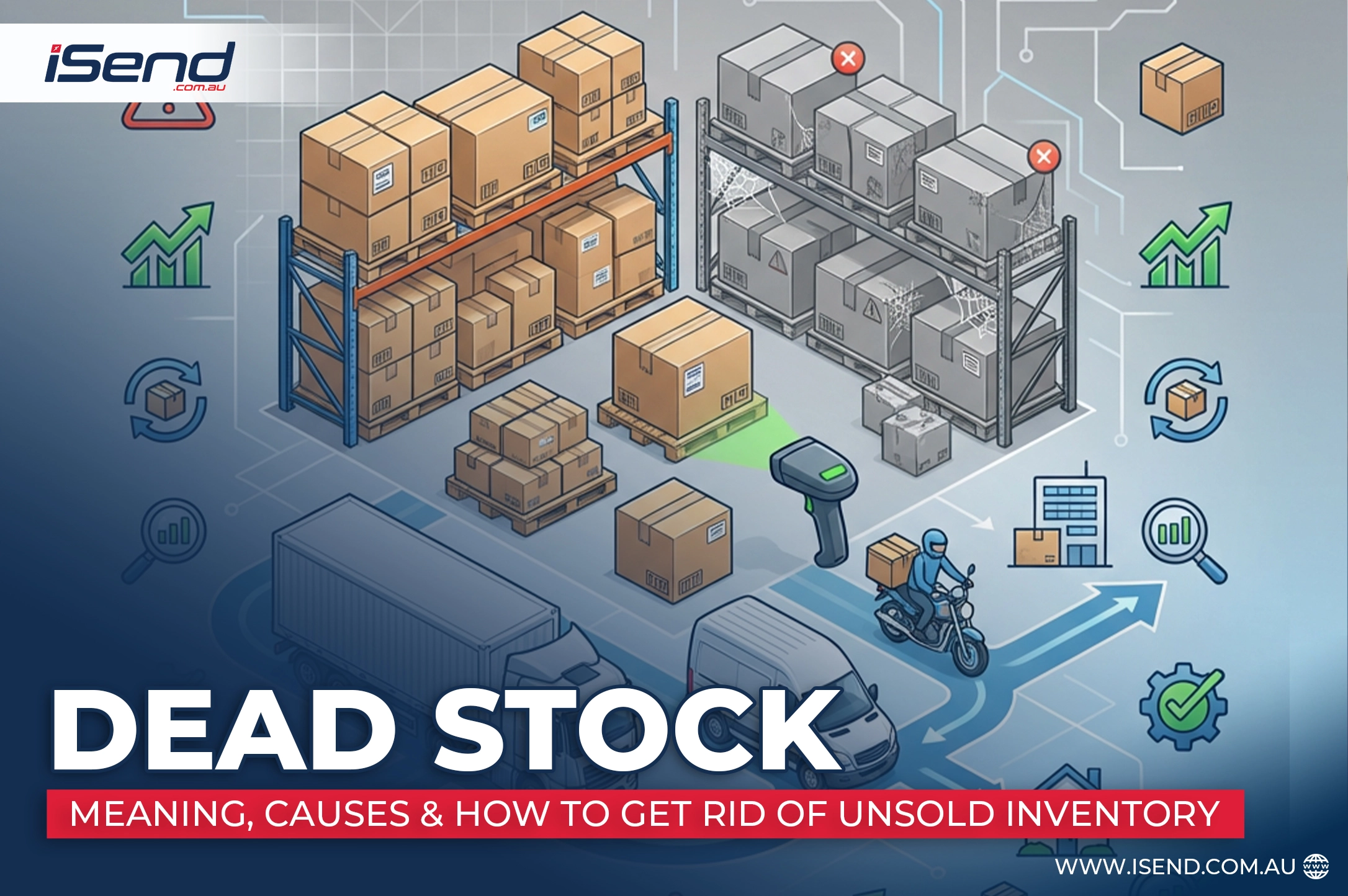
Dead stock refers to goods or materials that have been in stock for an extended period without any sales and are unlikely to sell in the future. These products consume working capital and give no profit on an investment.
The definition of dead stock cuts across all industries, including retail, manufacturing, construction, and fashion. Dead stock can still be operational, yet due to outdated designs, low demand, or a shift in the market, its commercial viability is no longer feasible. Storage and logistics are expensive in Australia, so the cost of dead stock may be exceptionally high.
Common Causes of Dead Stock
Dead stock rarely happens by accident. It is usually the result of strategic or operational missteps.
Inaccurate Demand Forecasting: The overestimation of customer demand and poor demand planning strategies is one of the most common causes of dead stock. When in production, businesses often produce more than the market demands, resulting in excess inventory that goes to waste. A lack of proper data analysis or the incorrect use of a trend can also exacerbate this problem.
Changing Consumer Trends: Tastes of customers change very rapidly, particularly in fashion, electronics and lifestyle products. What is popular today may be unpopular tomorrow and dead stock the following day.
Product Design or Quality Issues: Design flaws, quality issues, and products with usability problems often fail to appeal to buyers. Any minor issues may significantly reduce demand, and businesses end up with stock that cannot be sold.
Poor Marketing and Pricing Strategies: Without customers knowing about a product or perceiving it as being extremely priced, no sales will be made. Poor promotions, lack of positioning, or wrong pricing can all lead to stocking of dead stock.
Examples of Dead Stock in Business
There are numerous forms of dead stock in the Australian industries. A store selling clothes might have old stock of seasonal items, whereas a hardware store might have used tools that have been discontinued. Unused equipment or expired packaging can become dead stock in the hospitality industry.
Based on these examples, dead stock is not isolated to retail only. Any company with physical stock is at risk because demand planning and sales strategy may not be in sync.
Dead Stock Fabric Explained
Dead stock fabric is an excess or surplus of textiles brought about by a fashion house, manufacturers, or mills. These garments can consist of unused roll stock, orders that were cancelled or requested and discontinued styles.
High-quality materials used by independent designers, sustainable brands, and crafters in Australia are repurposed from dead stock fabric to find low prices. Although it is still in its original packaging, it can be of great help to others.
Why Dead Stock Is a Problem for Businesses
Dead stock creates multiple challenges for businesses. It is a waste of capital that could otherwise be put to better use, raises storage and insurance expenses, and may result in write-offs.
Moreover, there is a buildup of stock in warehouse logistics that render operations less effective. For Australian businesses that pay premium rates for storage and transport, dead stock directly impacts their profitability and operational flexibility.
How to Get Rid of Dead Stock
Knowing how to get rid of dead stock quickly can help businesses recover value and free up space.
Clearance Sales and Heavy Discounts: Running clearance sales is one of the fastest ways to move dead stock. Offering deep discounts attracts price-sensitive customers and converts stagnant inventory into a cash flow. Retailers use dead stock for sale to prevent total inventory write-offs.
Bundling Dead Stock With Popular Products: Bundling slow-moving items with bestsellers adds value for customers and helps sell dead stock without heavy markdowns. This strategy is particularly effective in e-commerce and retail environments.
Selling Dead Stock to Liquidators: Liquidators specialise in purchasing unsold inventory in bulk. Selling dead stock to these buyers may yield lower margins, but it provides immediate relief and reduces storage costs. Many businesses also search for dead stock removal near me to find local solutions.
Donation, Recycling, or Disposal Options: If resale is not viable, donating dead stock to charities or recycling materials may be a considerate decision. Disposal is used as a cost-effective solution for businesses to clear space and reestablish inventory.
How to Sell Dead Stock Effectively
To sell dead stock properly, there is an urgent need to find strategic measures between speed, value recovery, and brand image. Properly selecting the sales channel will help you reach the right buyers researching for dead stock stores near me.
Possible methods of clearing dead stock are:
- Posting products in online stores to have a broader reach.
- Discounted sales using the factory shop or clearance section.
- Hosting flash sales as a form of urgency and a bargain chaser.
- Buying and selling in bulk by B2B or liquidators.
Businesses must employ straightforward product descriptions, accurate condition information, and competitive prices to enhance outcomes. Specific promotions and time-sensitive offers could also provide an interest boost. Understanding the art of moving dead stock effectively helps any business reduce space, recoup cash, and minimise long-term losses.
Dead Stock Stores and How They Work
Dead stock stores focus on selling unsold, surplus, or obsolete inventory at a discounted rate. These stores serve as intermediaries between businesses with excess goods and value-seeking customers.
Key ways dead stock stores operate include:
- Direct sourcing of products through brands, manufacturers, and distributors.
- Buying large volumes of inventory at a discount.
- Selling products at a reduced price and without frequent restocking.
- Selling by physical retail stores, online stores, or at pop-up stores.
In Australia, customers often seek out clearance or ‘dead stock’ stores near them to find offers on clothing, homewares, and accessories. For businesses, entering into an arrangement with dead stock stores should be a way to clear warehouse space at a cost, realising partial value and avoiding long-term storage expenses.
How to Reduce Dead Stock in the Future
Avoiding dead stock is cheaper than clearing it in case of a late harvest. Businesses keen on how to reduce dead stock should make more accurate demand predictions, real-time sales monitoring, and utilising flexible inventory replenishment procedures.
Smaller batches of production, improved coordination with suppliers, and frequent inventory audits (or stocktakes) enable the timely discovery of slow-moving products. The process of learning how to minimise the dead stock leads to efficient profitability in the long term.
Dead Stock vs Excess Stock vs Obsolete Inventory
The terms “dead stock,” “excess stock,” and “obsolete inventory” are used interchangeably, although they represent different inventory situations. Knowledge of the difference enables businesses to minimise their losses, increase their cash flow, and make wiser purchasing decisions.
Final Thoughts
Australian businesses are facing a widespread but expensive problem of dead stock. Companies can safeguard their cash flow and enhance the functionality of their operations by understanding what constitutes dead stock, identifying the factors that contribute to it, and ensuring that practical solutions are in place for selling dead stock.
The most effective ways to manage an inventory in a competitive market are proactive planning, data-driven decision-making, learning how to sell dead stock and taking timely action.
FAQ
What is dead stock?
Dead stock refers to inventory that has not been sold for an extended period and is unlikely to sell soon, thereby occupying capital and storage space.
What is another word for dead stock?
Depending on the context, common substitutes include unsold inventory, slow-moving stock, or obsolete stock.
Why is deadstock so expensive?
When an item is rare, in a limited edition, or has been discontinued, deadstock may be expensive, and it becomes even more valuable to niche markets.
What happens to dead stock?
Dead stock may be discounted, sold to liquidators, donated, recycled, or disposed of, depending on its condition and market demand.
Where to buy dead stock?
Consumers and businesses can purchase dead stock from retail stores, online marketplaces, liquidators, or wholesalers that offer dead stock for sale.
Recent Posts
-

-

What Is Ecommerce Fulfilment & How It Works
March 3, 2026 -

A Complete Guide to COGS Computation
February 12, 2026 -

Custom Duty India: Rules You Must Know Before Shipping to India
February 12, 2026 -

Import Tax Australia: A Complete Guide to Duties, GST & Fees (2026)
February 4, 2026